Given the challenges of traveling at the height of the Covid pandemic, she logged more than 1,000 miles in her beloved Jeep Wrangler. But at a gas station shortly after entering Canada, then under strict social distancing restrictions, the Alabama plates on her car angered a man, who verbally abused her, pushed her, and told her to leave Canada.
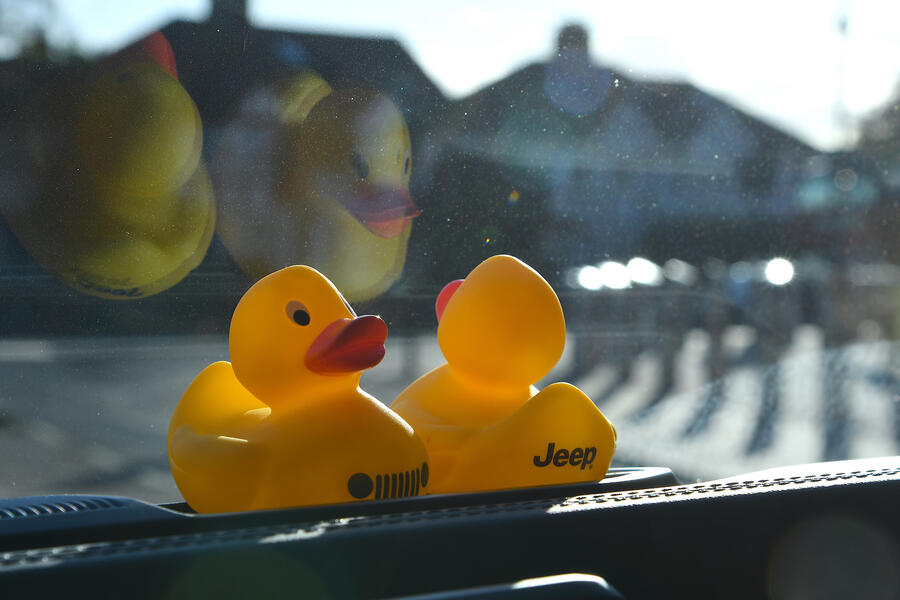
The confrontation troubled Parliament for the rest of its run and subsequent forced quarantine. When her isolation was over, she decided to cheer herself up by buying some rubber ducks. The original plan was to keep them hidden around her partner’s house as a joke. But then Parliament spotted another Jeep and wanted to do something to make the owner smile. “Getting compliments on your Jeep is always a good feeling,” she told the insurance company Hagerty’s website.
Except that Parliament had no card in hand. But she had ducks. So I wrote “Nice Jeep, Have a Great Day” on one of the cars and decided to leave it on the hood. However, the owner spotted her and ran to see what she was doing.
When I explained that, “he thought it was great, and he said it made his day,” Parliament recounted. They decided that Parliament should put a photo on social media with the hashtag #duckduckjeep. Then she decided to do the same with the rest of the ducks, to spread more joy.
And it went viral: Within weeks, Duck Duck Jeep’s official Facebook page had gained tens of thousands of followers, and she was soon being asked to do interviews about the fast-growing trend.
During a very difficult time, it was a lot of fun to escape from reality. But, unlike other pandemic trends like baking sourdough and exercising in your living room, the jeepney dodging didn’t end when lockdowns eased. Instead it continued to grow.
Four years later, it has evolved into a true phenomenon, celebrated at Jeep events and bringing a sporting flair to its own small industry.