
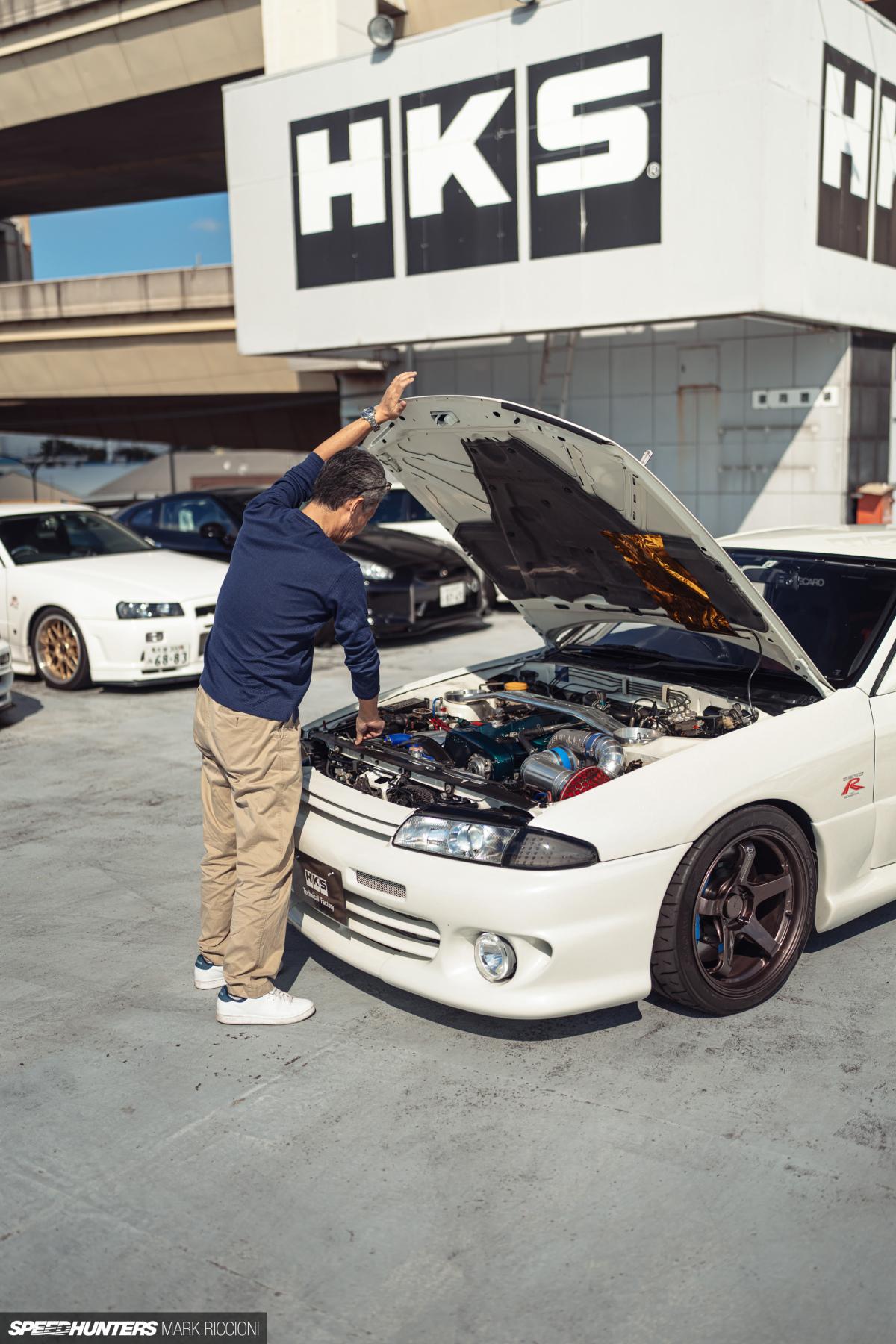
It will be the crime of closing the “Japanese month” on Speedhunters without discussing one of the most legendary cars in the country: HKS Zero-R.
It is a car mired in mystery, with many blogs and forums dedicated to collecting its real history and following its journey over the years. The price numbers fluctuate violently, as do zero RS estimates and the exact timeline to create them.

The late eighties of the last century were time for technological innovation and increase, and in 1989 he wanted HKS at work, using BNR32 Nissan Skyline GT-R as a rule. But here are the decisive details: these are not Nissan Skyline GT-R.

Zero-R was an HKS attempt to create its own supercar based on the actually specialized production structure, such as Alpina, RUF and Brabus, which he was doing at the time with their creativity. This was not just a bnr32 set package-HKS made enough changes on Skyline GT-R to ensure symmetry in the legitimacy of the road. However, the issue was the concerned astronomical costs.

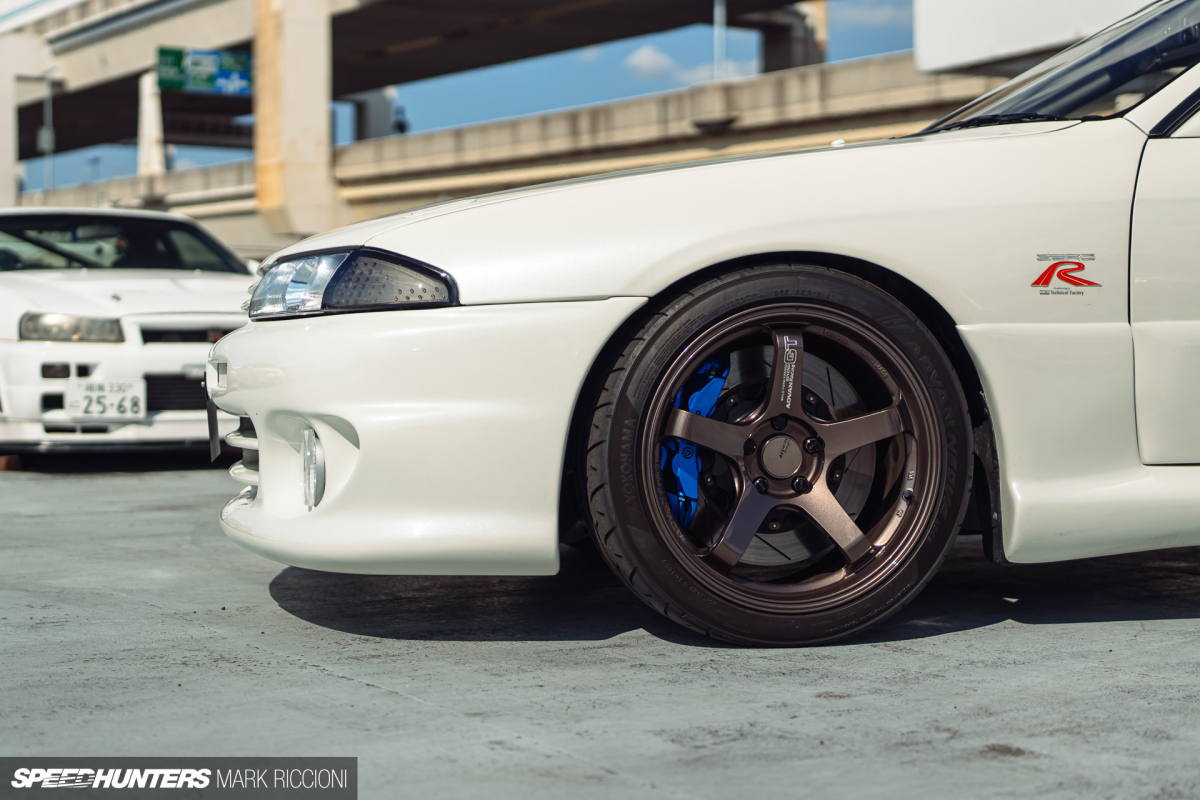
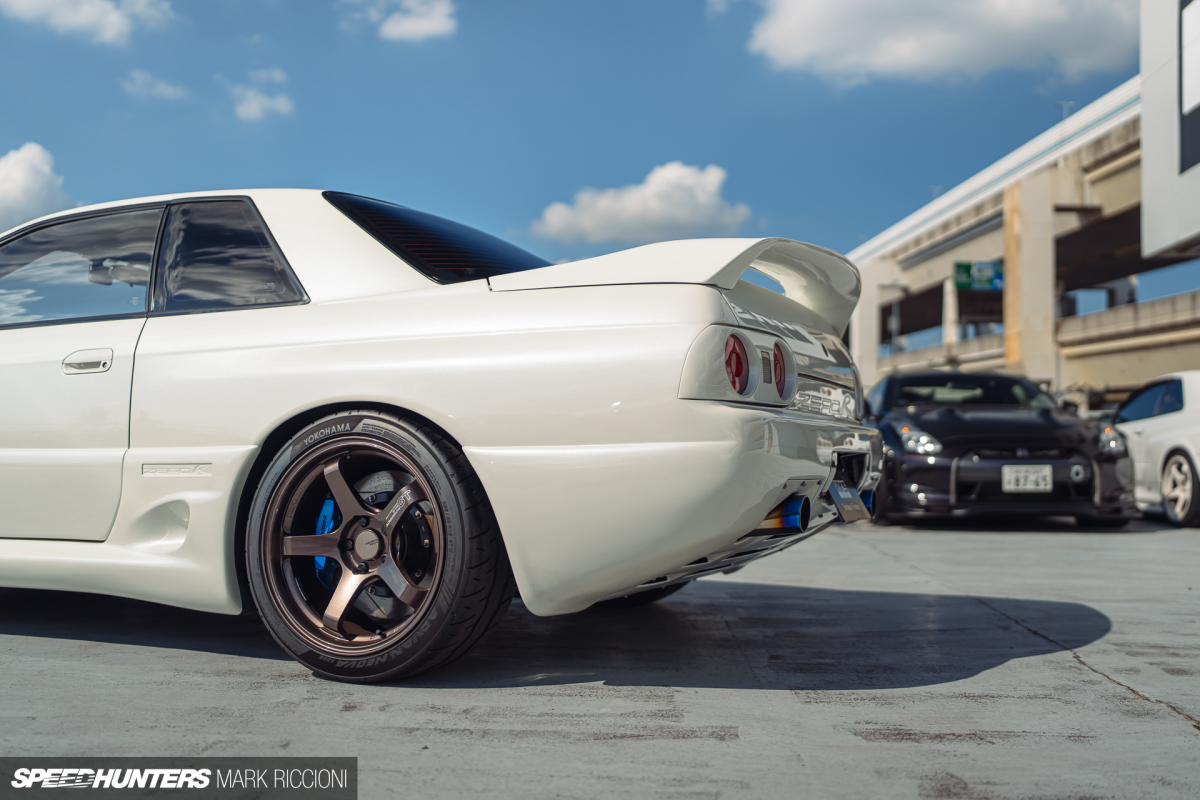
The homogeneity in Japan during the nineties was very difficult and expensive, and despite the artistic experience and passion behind the Zero-R project, financial facts cannot be ignored. HKS simply had the resources to equip zero, and their dream of building Japan’s answer to super cars in Europe was suddenly crushed.

This does not mean that the Japanese outlets have completely abandoned the project-many RS have been completely developed in the early nineties, albeit without homogeneity. Some of these cars remained at the Hks’s Shizuoka factory, while one of them made his way to Sultan the outrageous BRUNEI Motor Group.

While most sources agree that four “original” “” “zero” were made in the nineties, some propose up to 11 it was produced. I was initially inclined alongside the smaller number-looking at the absence of solid information and documents on zero-R -Even deeper diving in the following:

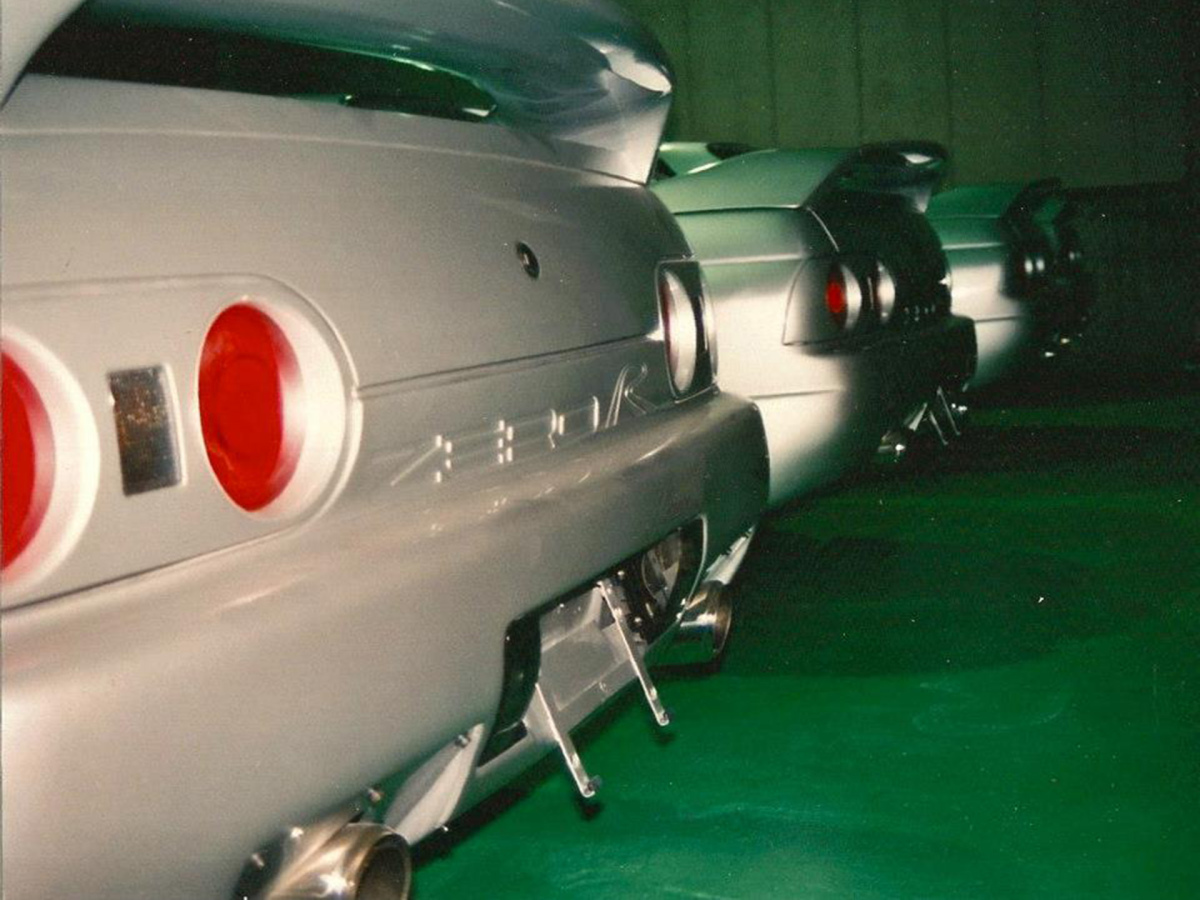
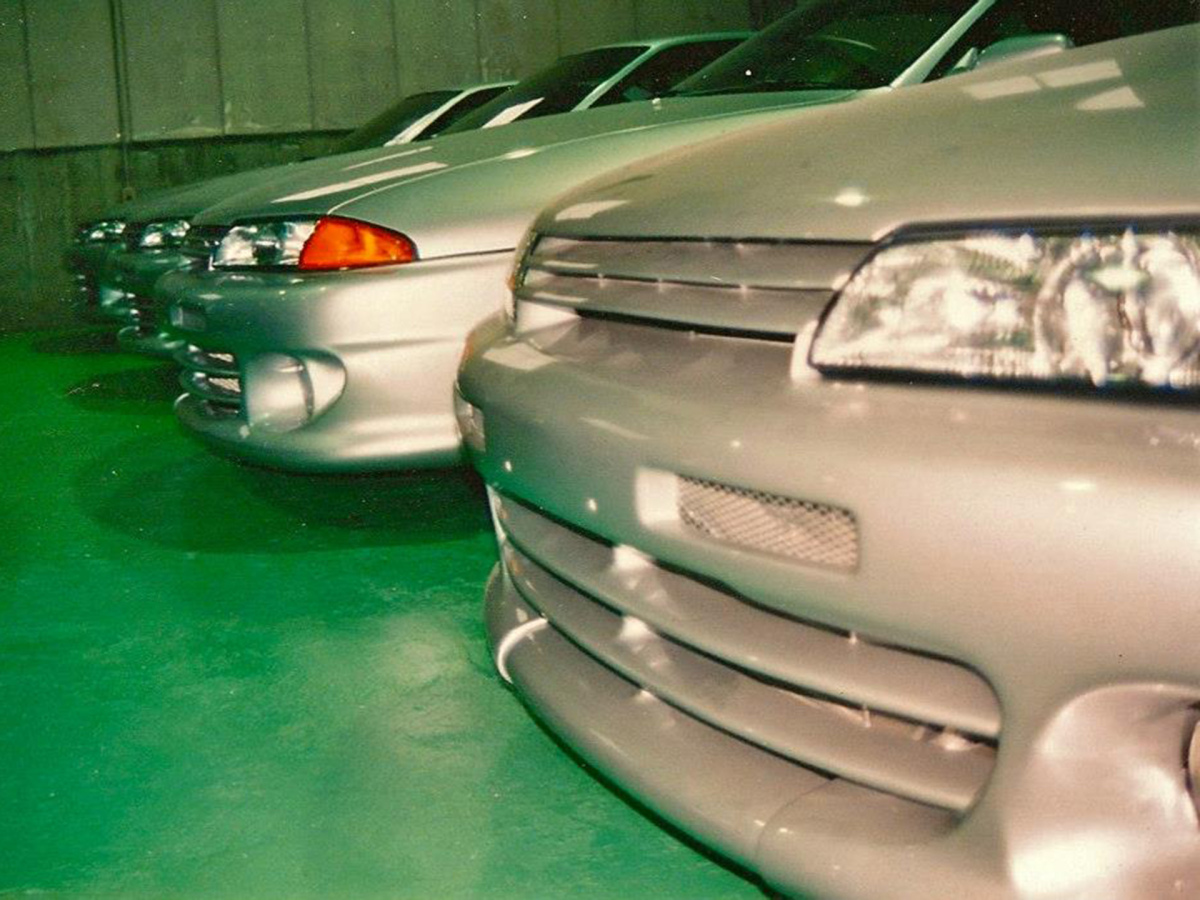
No, your eyes do not deceive you. These are films from 1993, appear eight Zero, still on GT-R wheels, storage in HKS. Pictures were taken by the former HKS USA Skut Web and published at the American GT-R forum in 2013.

This number is supported by an article from the early 2000 Australian magazine, High performance imports, Which included eight zero RS lined abroad-each one wears tecnomagnesio joint magnesium.

All of the first zer RS of silver-or at least, eight of them. However, the scratch was in the Sultan white, and it was part of the first term, which means that HKS produced at least nine cars before the end of the century.
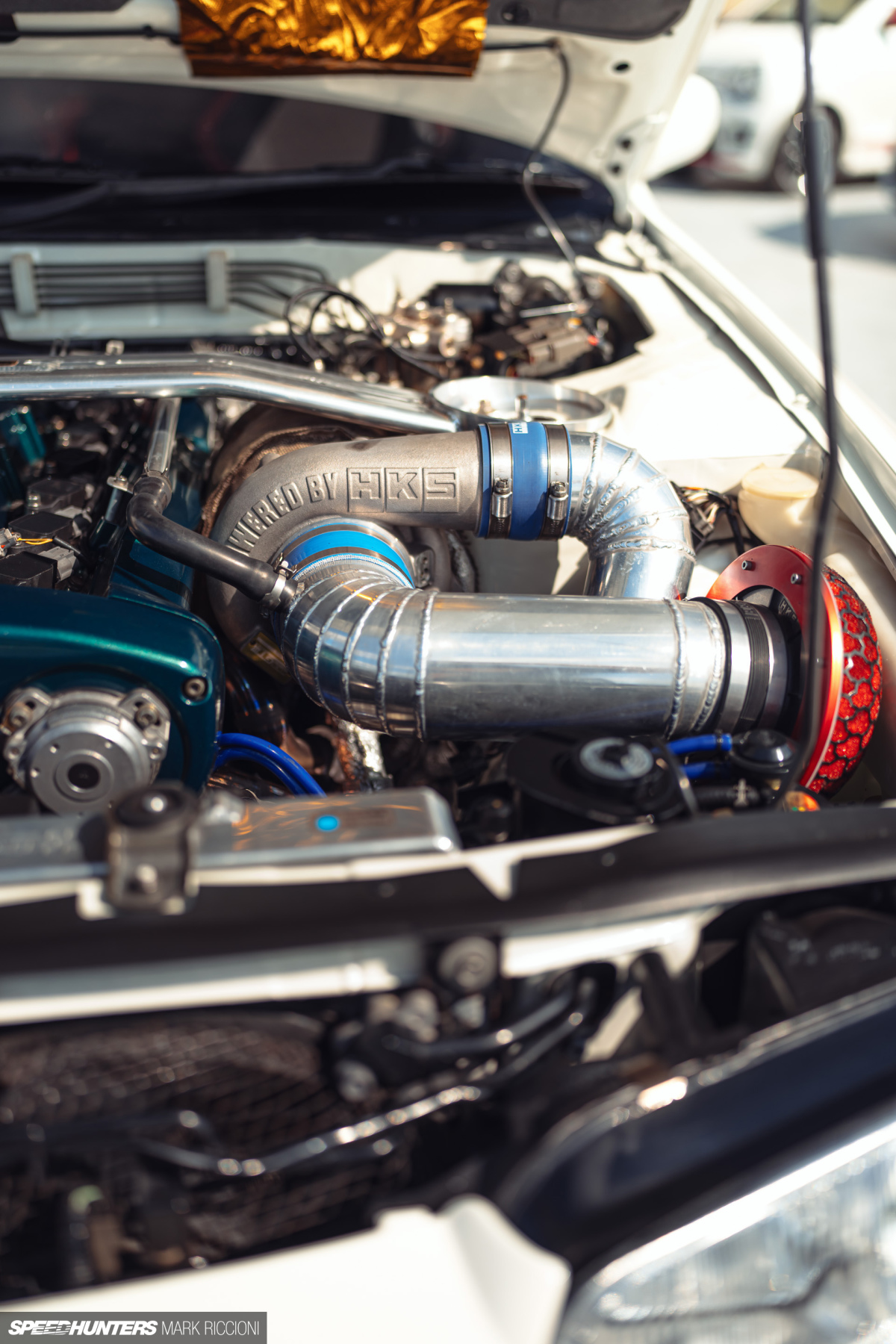
About the middle of the first decade of the twentieth century, the changes in the laws of the Japanese Road Islands HKS gave an opportunity to make the Zero-R road legally. This did nothing to relieve confusion about the already produced cars, and no one was sure of the number of people to be built.

HKS has announced “Zero-R version II”, with the original concept and update with modern turbines, brakes and comment. Our Dino Carbonare has even left the wheel of one of these subsequent models in 2010, before you start more information about the original cars.
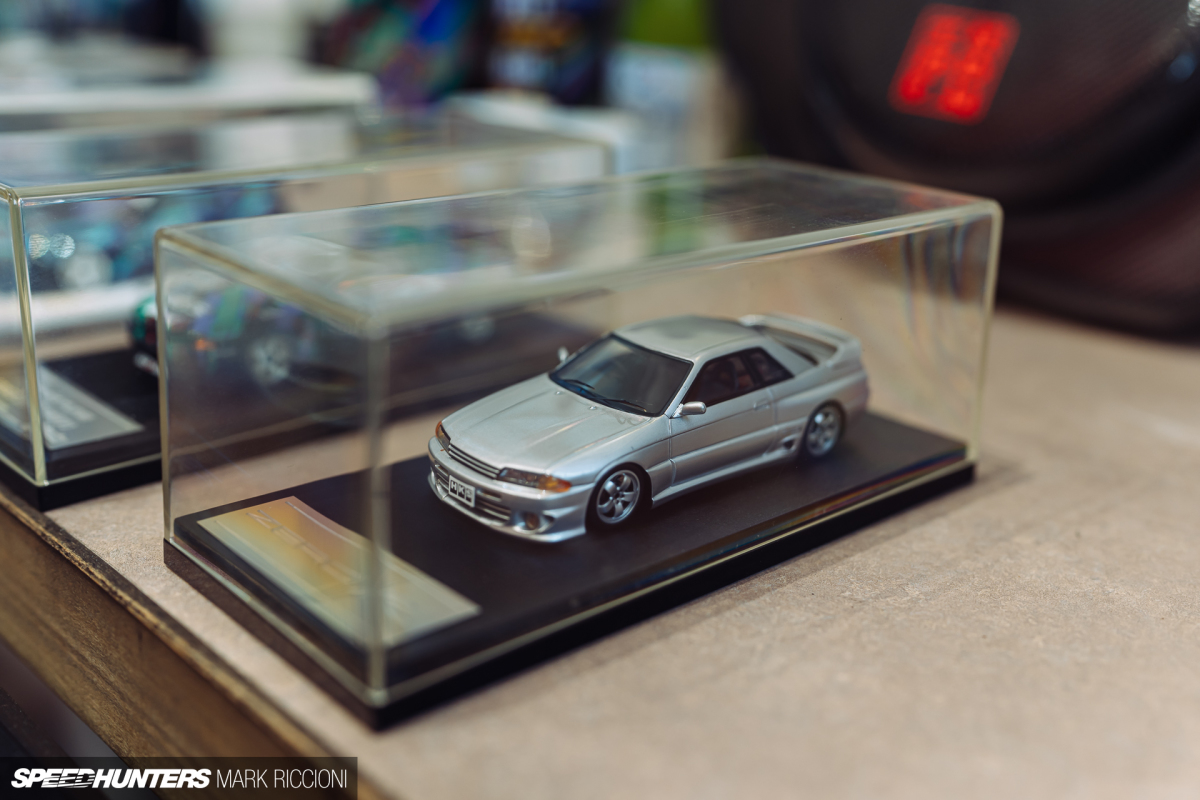
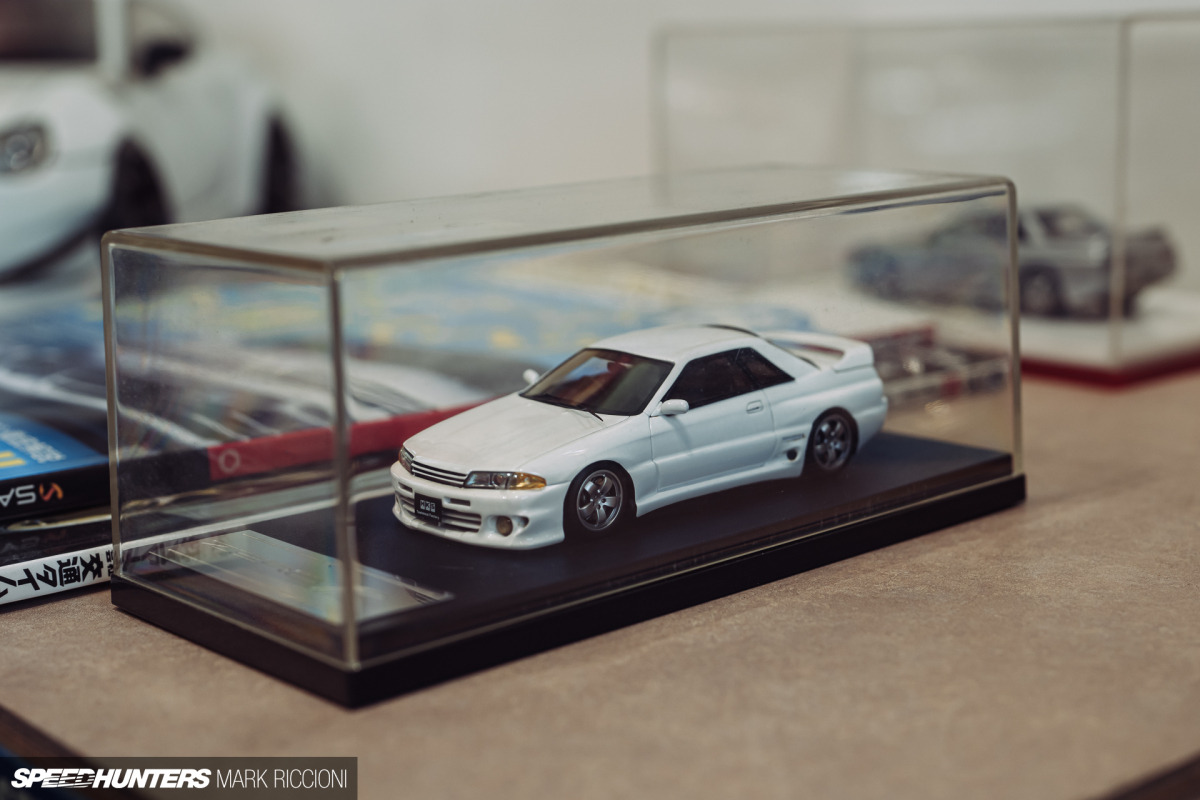
But until then, the questions remain. The Dino article included two white-white cars, one silver-but there is no certainty about whether the white car is a completely new building or one of the original Zero-R structure that was updated with new parts.

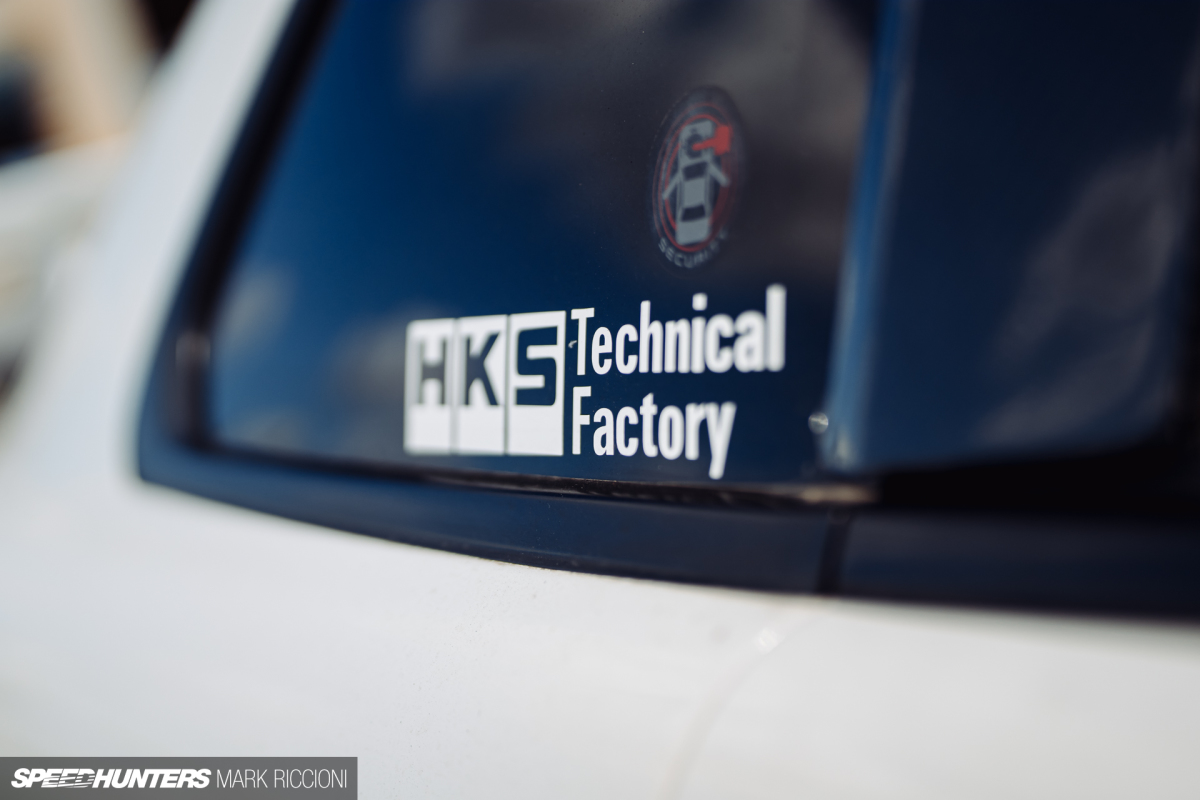
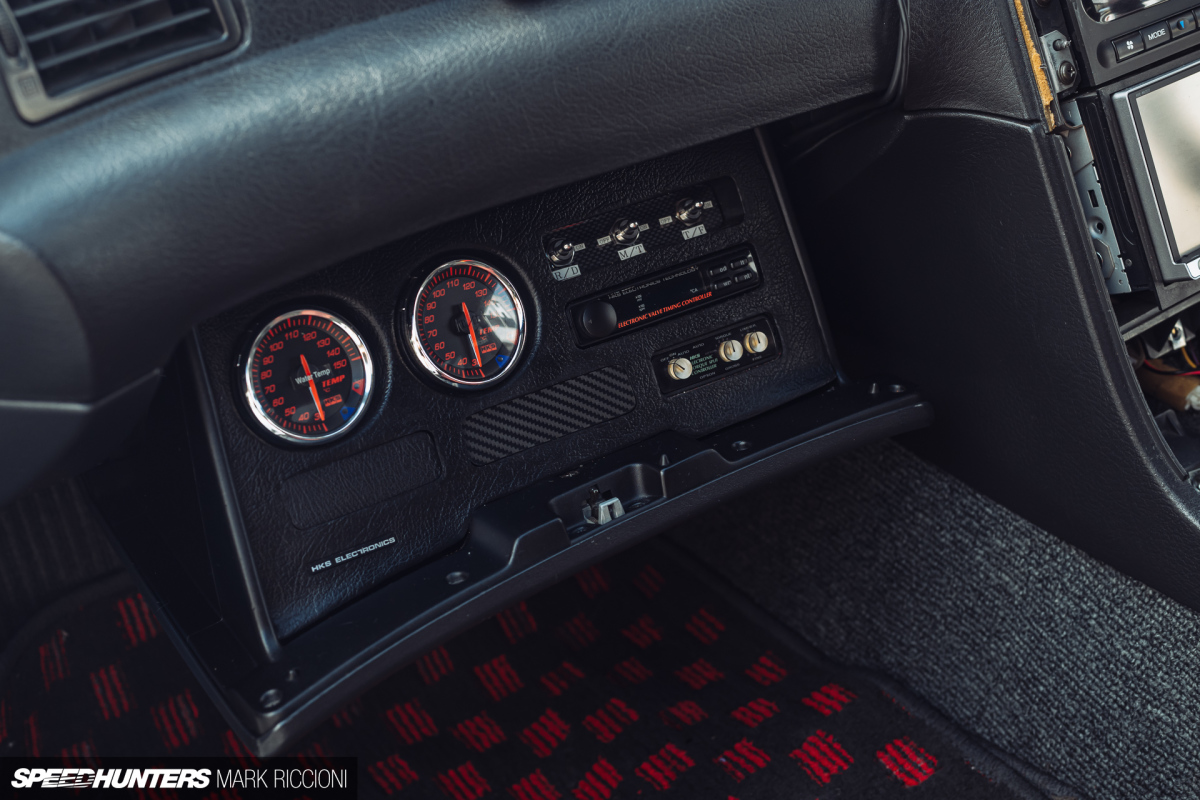
Then there is “Zero-R version III” from 2007/2008. The only concrete images show a black example, but then a red one appeared – which may have turned to purple – and the modified silver cars began to appear.

And let’s not forget the well -documented gray wheels on Rays Volk Racing Repand, which arrived in Australia, as well as the white car that Mark had the opportunity to drive, in photographing these words.

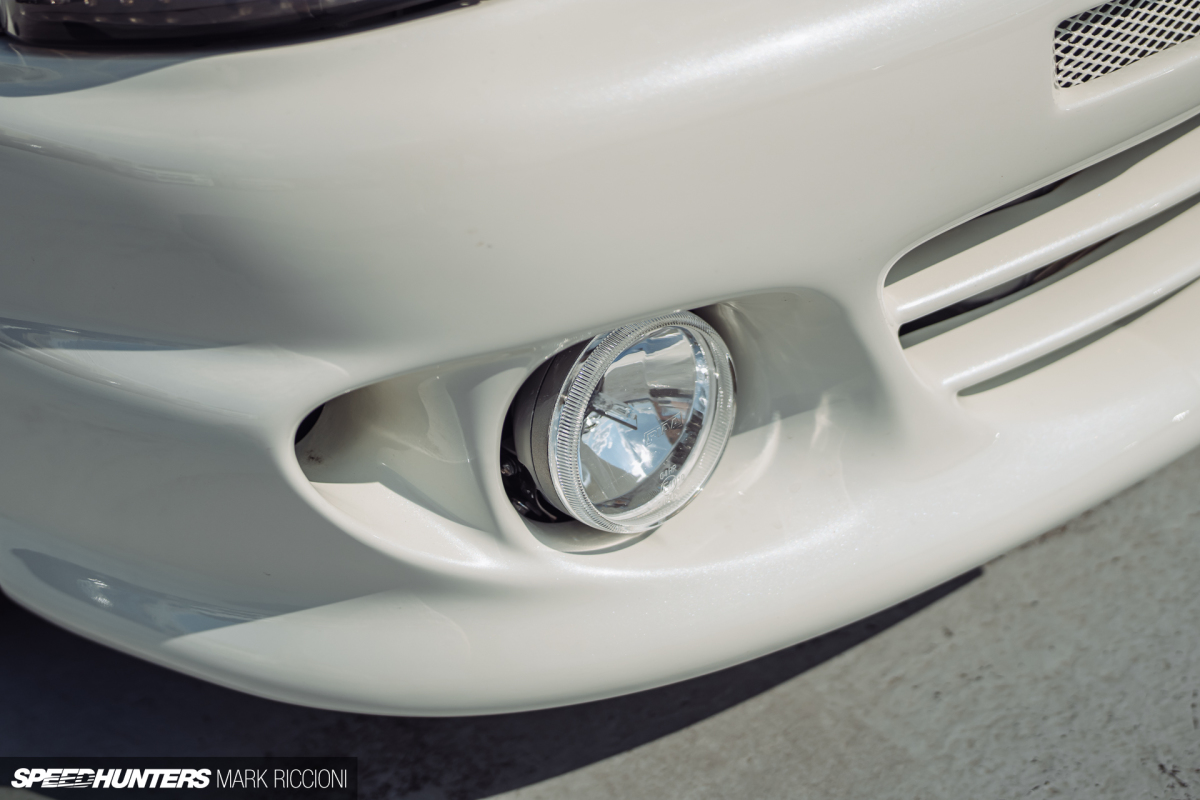
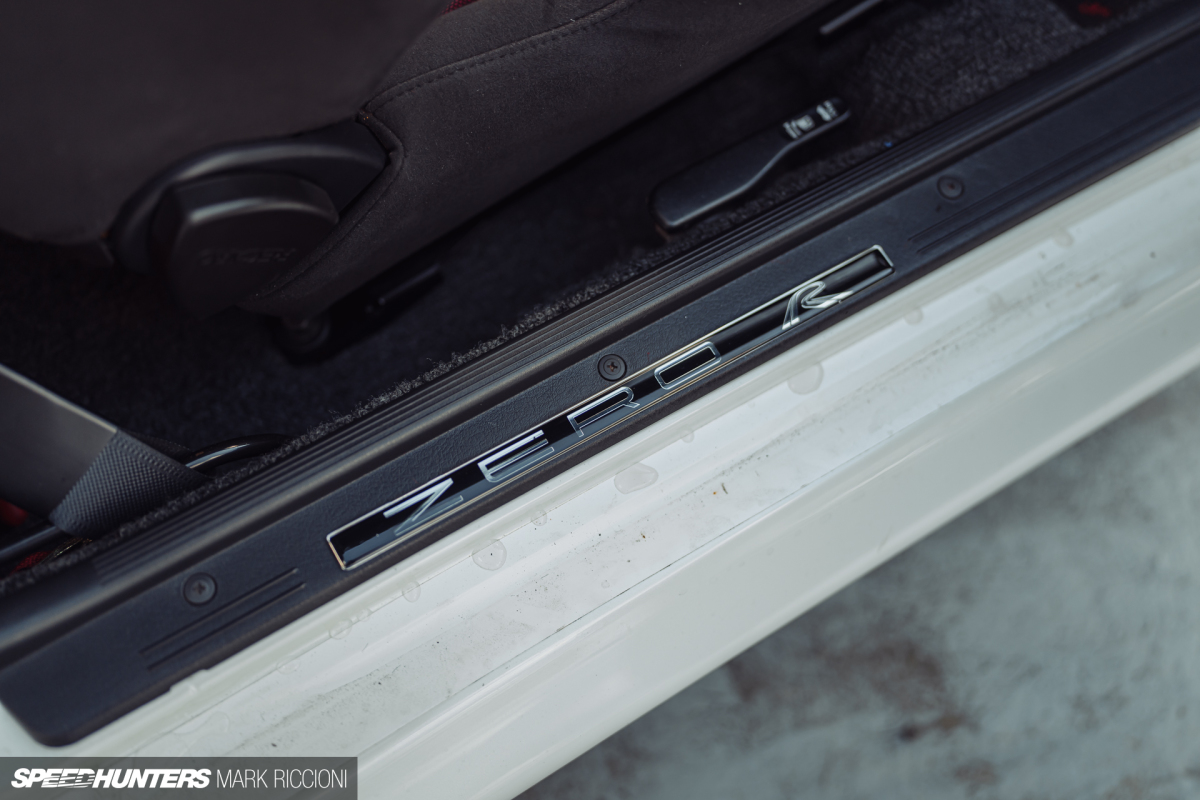
Based on the photographic evidence alone, there seem to be nine zero RS from the original-rich-rich running, as well as the White Sultan’s car. With the addition of the second version models and the eighth version in the image, we can look at 14 or 15 cars, although some believe that up to 17 zero RS could have been made.

But the truth is, without concrete information from HKS or the production record, there is no way to check the numbers. Nevertheless, this adds to the mystery of this two -seats in the two seats that the visions of HKS have dreamed of nearly four decades.


While all the eyes were on the “R34 GT-R” from HKS, it seems apparently takes over from Nismo Z-Tune R34s and 400R R33s, you may think that zero R has been forgotten. Nevertheless, the truth does not end yet.

It seems that a car revival plan is in a state of movement, as HKS builds zero R from a thousand again this year, and finally took the BNR32 structure to the noble altitudes that it depicts over those past years. Watch this space – and don’t look away for a second.
Mario Christo
Instagram: Mcwpn
Mariochristou.world
Photography Mark Richeon
Instagram: mark_scenemedia
twitter: Markriccioni
mark@speedhunters.com
More stories from Japan on Speedhunters